
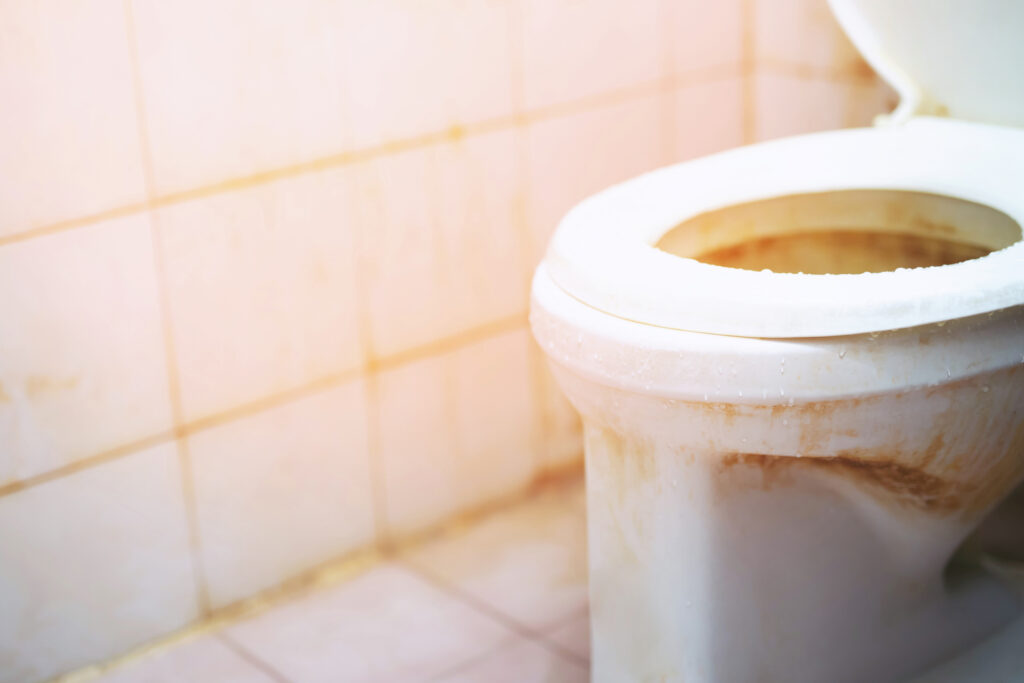
Most home cleaning routines cover the obvious ground: floors, countertops, sinks and bathrooms. What they tend to miss are the surfaces touched dozens of times a day that almost never get disinfected. In Singapore, where warmth and humidity accelerate bacterial growth year-round, those overlooked spots are not just dusty. They are actively harbouring germs. Here are 10 of the most commonly forgotten.
Read: How to Assess If Your Cleaning Company Did a Good Job
1. The Kitchen Sponge
It cleans your dishes, your counters and sometimes your sink, which makes it one of the most bacteria-laden objects in the average home. A damp sponge sitting in a warm kitchen is an ideal environment for bacteria to multiply, and most households replace them far less often than they should. Two weeks is a reasonable maximum. Between replacements, allow the sponge to dry out completely after each use instead of leaving it sitting wet.
2. The Toothbrush Holder
The toothbrush itself gets replaced regularly. The holder it sits in, however, almost never does. Water drips down into it after every brush, toothpaste residue builds up, and in Singapore’s humidity, mould may appear in the base within days. It is one of the germiest items in the bathroom, and one of the least cleaned. A quick wash with hot soapy water twice a week makes a significant difference.
3. The Refrigerator Seal
The rubber seal around your fridge door does its job quietly and gets almost no attention in return. Its folds collect moisture, food residue and mould over time, building up bacteria in a spot that is handled every time the fridge is opened. A wipe-down with a mild disinfectant, getting into the folds of the seal, should be part of any kitchen cleaning routine.
4. Light Switches and Power Sockets
These are touched by every member of the household, multiple times a day, often with hands that have just handled food, pets or outdoor surfaces. Despite this, they are almost never disinfected. Kitchen and bathroom sockets carry additional risk because of their proximity to moisture, so avoid excess moisture and never spray cleaning products directly onto power sockets or electrical fittings. A disinfectant wipe across switches and sockets takes under two minutes and is rarely done as often as it should be.
5. Ceiling Fans and Overhead Fixtures
Fan blades accumulate a thick layer of dust that can be redistributed into the surrounding area every time the fan is switched on. In Singapore, where fans run almost constantly, that cycle happens daily. Overhead light fixtures and cornices collect similar build-up and are seldom reached by standard cleaning. Getting to these areas properly requires the right equipment and, in most homes, a professional session to do it thoroughly.
6. Window Tracks and Frames
Window tracks are narrow, almost never cleaned, and consistently full of dust, debris and dead insects. Moisture can easily collect along window frames and in the corners of seals, where mould accumulates over time and is easy to miss until it has already spread. A stiff brush and targeted cleaning are needed to address tracks properly, and the frames around them could benefit from a mould-inhibiting treatment.
7. Bathroom Taps and Shower Controls
Bathroom taps and shower controls are touched immediately before and after handwashing, which means dirty hands make contact with them at least as often as clean ones. Due to its location, moisture settles around fittings constantly, and mould can develop in the joints and edges over time.
8. Behind and Beneath Appliances
The space behind the fridge, beneath the washing machine and under the stove are among the most neglected areas in any home. Grease, dust and moisture accumulate there undisturbed for months or years, creating conditions where bacteria and pests can build up without any visible sign from the front of the appliance. These areas are only realistically accessible during a deep cleaning session when appliances are moved and the space behind them is properly addressed.
9. Aircon Filters and Vents
Dust, mould spores, and bacteria build up in aircon filters over time and get circulated through the home every time the unit runs. In Singapore, where air-conditioning is used frequently in many households, regular filter cleaning and maintenance are especially important. Most households clean the visible filter occasionally but never address the vents, internal components or the surfaces around the unit where condensation and dust collect together.
10. Mattresses and Soft Furnishings
Mattresses, sofas, cushions and carpets absorb sweat, skin cells and moisture over time, creating conditions where dust mites and bacteria accumulate in the deeper layers of the fabric. While regular vacuuming helps remove surface dust and debris, some embedded dirt and allergens may remain deeper within upholstered materials. This is why periodic professional upholstery cleaning makes a more meaningful difference than more frequent vacuuming alone.
Clean Where It Counts
A home can look thoroughly clean while still having dirt, moisture and microorganisms in commonly overlooked areas. The gap between appearance and reality is widest in the spots that feel least likely to be a problem: the fan blades, the window tracks, the fridge seal, the space behind the washing machine. Knowing where to look is the first step to doing something about it.
A professional clean addresses the surfaces and spaces that regular routines tend to miss, with the right techniques and equipment for each area. Dustaway’s trained team works methodically through every room, covering high-touch points, hard-to-reach areas and the often-forgotten spots where build-up can accumulate over time.
For an additional layer of protection, our NEA-certified disinfection service targets bacteria and harmful microorganisms on surfaces throughout the home using hospital-grade, child- and pet-safe formulations. Get in touch to find out more or make a booking.
 Professionalism