
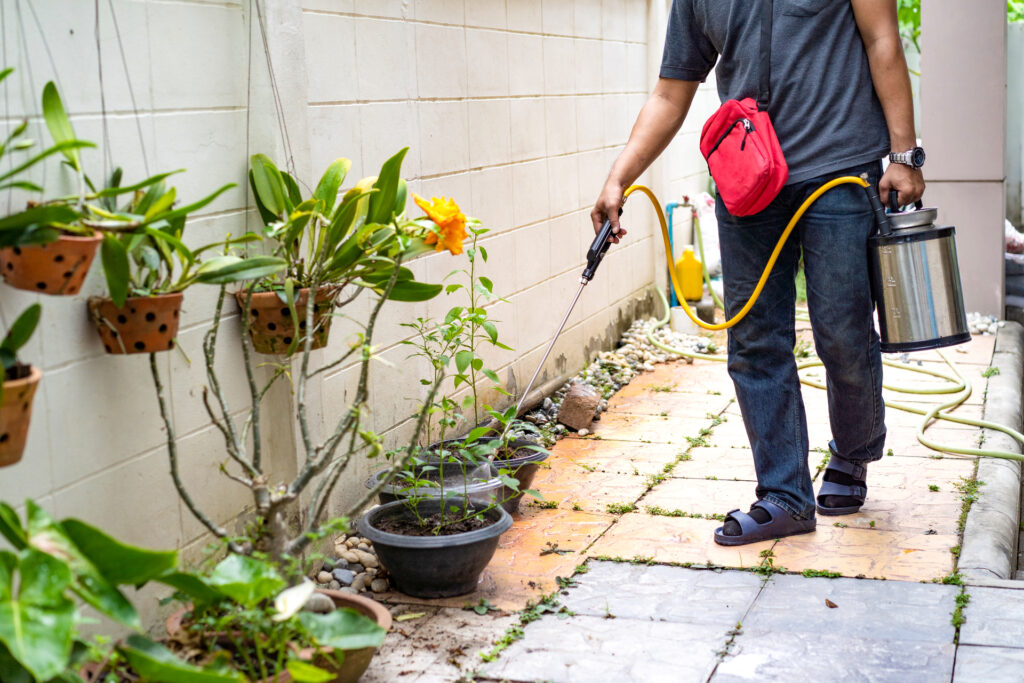
If you have ever booked pest control and wondered whether to clean before the technician arrives or wait until after they leave, you are not alone. Most people either guess, or do both out of anxiety and end up undermining the treatment in the process. The answer is more considered than a simple before or after, and getting the sequence right makes a real difference to how effective the whole exercise turns out to be.
Clean First, Almost Always
For the vast majority of household pest situations, including cockroaches, ants, mosquitoes and rodents, cleaning should happen before the pest control treatment, not after.
The reason is practical. Pests thrive in clutter, food debris and spaces that are difficult for a technician to reach. A home that has not been tidied before a pest control visit gives insects and rodents more places to hide, which means treatment chemicals are less likely to reach them. Surfaces coated in grease or dust can also reduce how effectively pesticides adhere and penetrate.
Cleaning before the session also removes pheromone trails, the chemical markers that ants and cockroaches use to navigate and recruit others. Eliminating these before treatment means the pesticide is working against fewer remaining signals, rather than competing with an active network of them.
A practical prep list before any pest control session:
- Declutter accessible areas to reduce hiding spots for pests.
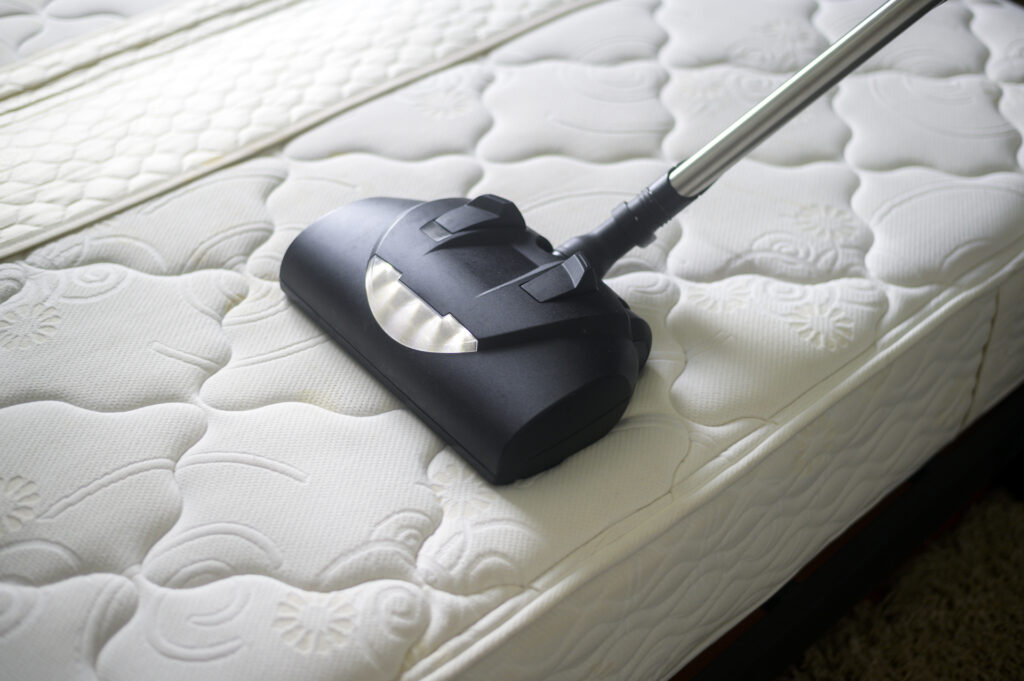
- Vacuum thoroughly, including beneath furniture and appliances.
- Store all food in sealed containers.
- Clear countertops and other exposed surfaces.
- Ensure the technician can access likely problem areas, including:
- Behind the refrigerator
- Under sinks
- Along skirting boards
- Around kitchen appliances
- Near known pest activity
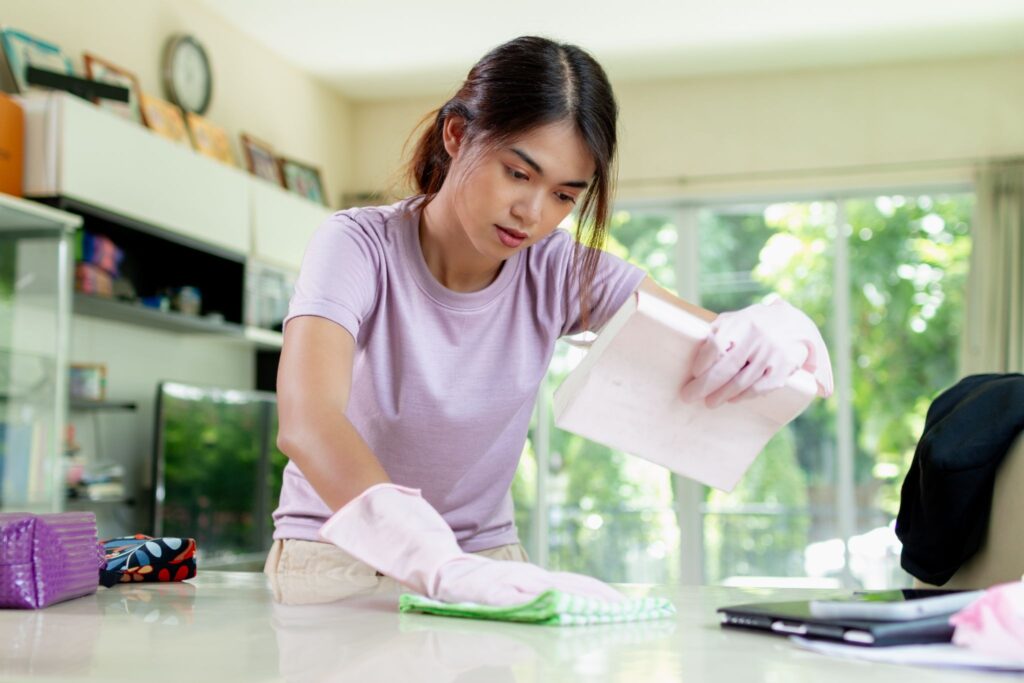
Cleaning beforehand helps the treatment work effectively, but that does not mean cleaning has no role afterwards. Once the required waiting period has passed, a proper clean after pest control is equally worthwhile. It removes chemical residue from surfaces you use daily, clears any dead insects or droppings left behind, and resets the home to a hygienic baseline. Done at the right time and in the right areas, that post-treatment clean is not undoing the work—but the final step that makes the whole process feel complete.
Are There Exceptions?
Yes. Namely, bed bugs and fleas.
These pests operate differently and the cleaning sequence shifts accordingly.
For these treatments, pest control companies typically apply sprays or dusts that need time to work across soft surfaces and floor edges. Cleaning immediately beforehand can disturb nesting areas and scatter insects before treatment, making the job harder. On the other hand, cleaning too soon after treatment removes the residual chemical layer that continues working in the days following the session.
For bed bug and flea treatments specifically, consult your pest control provider before doing anything. They will advise on preparation steps tailored to the treatment type, which may include washing bedding beforehand on high heat, but avoiding vacuuming or mopping treated areas for a specific period after.
How Long to Wait Before Cleaning After Pest Control
For most spray-based treatments targeting cockroaches, ants and similar insects, the general advice is to wait at least 48 hours before deep cleaning, particularly near skirting boards, floor edges, wall corners and beneath appliances where pesticide is typically applied. These are the surfaces that retain residual chemical barriers, and mopping or scrubbing them too soon effectively resets the treatment.
Light surface cleaning, wiping down countertops, washing dishes and tidying non-treated areas, is generally fine within 24 hours. The areas to leave undisturbed are the ones where the technician actually worked.
For bait-based treatments, the rule is stricter: do not clean around bait stations at all, as the product needs to remain accessible to attract and contaminate pests over time. Disturbing bait placement, even tidying the area around it, can break the cycle the treatment depends on.
If fogging or fumigation was used, the situation is different again. These methods involve airborne chemicals that settle across all surfaces, and a more thorough clean of exposed items (dishes, utensils, children’s toys, mattresses) is appropriate once the recommended waiting period has passed. Your technician should provide explicit guidance after this type of treatment.
What Cleaning Does Not Replace
One thing to be clear about: cleaning, however thorough, is not a substitute for pest control, and pest control is not a substitute for cleaning. They address different problems.
Regular cleaning removes food sources and reduces the conditions that attract pests. It will not eliminate an established infestation. Pest control eliminates the infestation, but if the conditions that caused it remain, reinfestation is a reasonable probability. The two work best as part of the same approach, not as alternatives to each other.
Maintaining a cleaning routine after pest control, particularly in kitchens and bathrooms, significantly reduces the likelihood of pests returning between treatments. Sealed food storage, dry surfaces and cleared clutter all contribute to an environment that is less hospitable to the insects and rodents that Singapore’s climate appears to encourage.
Read our All-in-One Guide to Singapore Home Cleaning Costs.
Quick Reference
| Situation | Clean Before? | Clean After? | Notes |
| Cockroaches, ants, mosquitoes | Yes | Wait 48+ hours | Avoid treated skirting and floor edges |
| Rodents | Yes | Wait 48+ hours | Do not disturb bait or traps |
| Bed bugs, fleas | Consult provider | Wait as instructed | Avoid vacuuming treated areas |
| Fogging / fumigation | Yes | Clean exposed surfaces post-wait | Follow technician’s specific instructions |
The Order of Operations
Getting the sequence right is the first step. Getting the cleaning done properly is the next one, and that is where Dustaway comes in. Whether you need a thorough clean before your pest control appointment to give the treatment the best possible conditions, or a proper post-treatment clean once the waiting period has passed, Dustaway’s trained team handles both with the same level of care. And if you want to go a step further, Dustaway’s NEA-certified disinfection service adds another layer of protection after pest control by targeting residual bacteria and viruses on surfaces throughout your home. It is not a replacement for pest control, but paired with it, it covers ground that pesticides are not designed to address.
Get in touch with Dustaway for a personalised quote today before the slots fill up.
 Professionalism