
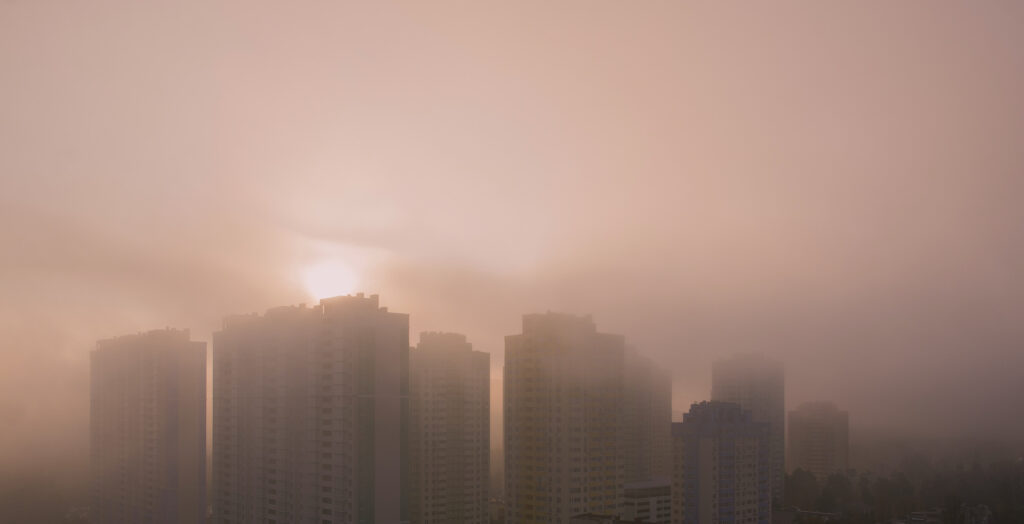
Singapore’s 2026 haze season has been one of the worst in over a decade, with unhealthy PSI readings persisting for weeks and many households keeping windows shut and air purifiers running around the clock. Now that conditions are easing, the instinct is to open everything up and move on. But the fine particles that accumulated inside during a prolonged haze episode do not disappear when the outdoor air clears. Here is what to clean, and why it matters more than a standard post-haze wipe-down.
Read: Flu Season Is Here: 10 Home Cleaning Companies Offering Disinfection Services
What Does Haze Leave Behind?
Haze is driven primarily by PM2.5, fine particulate matter with a diameter of 2.5 micrometres or less, produced by the burning of forests and peatland. These particles are fine enough to penetrate most household gaps and are not stopped by standard window screens. Once airborne indoors, they settle slowly on horizontal surfaces, accumulate in air conditioning filters and ducts, and embed into the fibres of soft furnishings such as mattresses, sofas and curtains.
Unlike coarser dust, PM2.5 is not visible to the naked eye as a layer on surfaces. That invisibility is part of what makes it easy to overlook. These particles carry compounds that irritate the respiratory tract and, at prolonged exposure levels, have been linked to cardiovascular and lung health concerns. After weeks of unhealthy outdoor air, the indoor particle load in most Singapore homes will be meaningfully higher than usual, regardless of how tightly windows were kept shut.
The good news is that it can be dealt with systematically, starting with:
1. Air Conditioning Filters and Vents
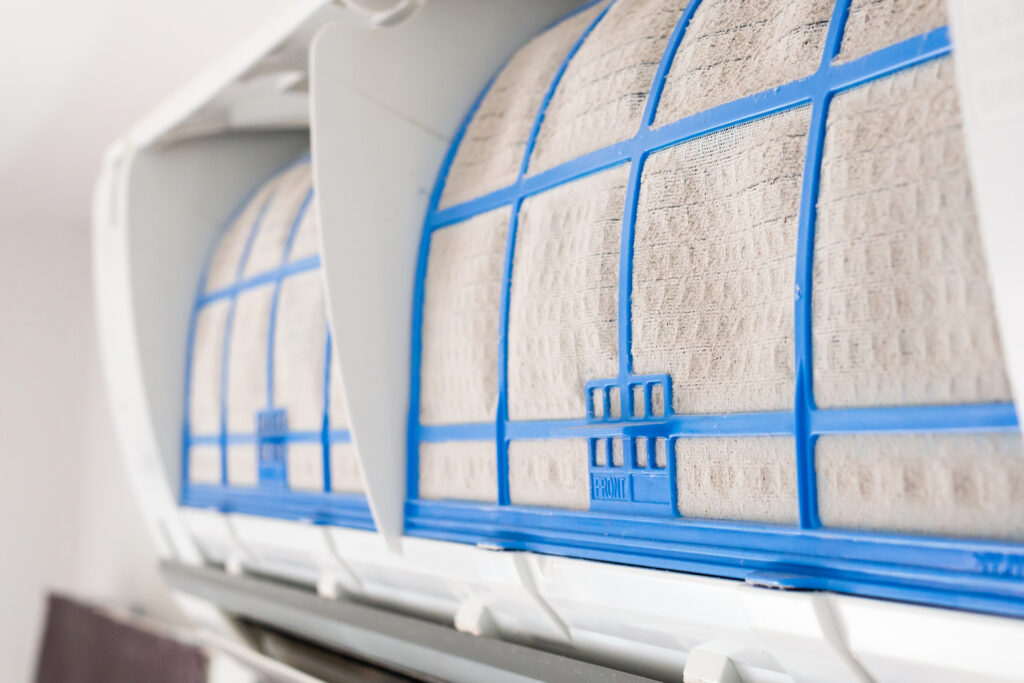
Although residential aircon units are not designed to capture PM2.5, they run almost without pause during a haze episode because keeping windows closed means relying on the aircon to maintain any degree of comfort indoors. After weeks of that, the filters and internal components carry a heavier particle load than usual, and without a clean, that build-up gets pushed back into the room every time the unit runs.
A clogged or overloaded filter does two things: it reduces the unit’s efficiency and begins circulating the particles it can no longer trap back into the room. Clean or replace filters as soon as conditions allow, and wipe down the vents and surrounding surfaces where fine dust settles during operation.
2. Soft Furnishings
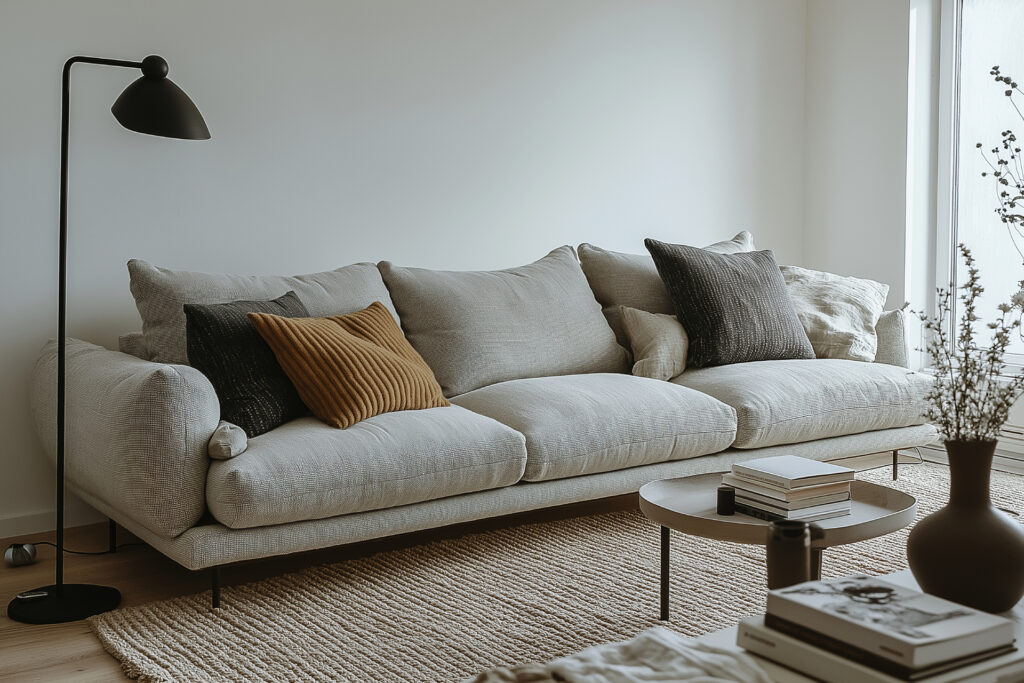
Mattresses, sofas, cushions and carpets absorb airborne particles continuously during a haze episode. Even in a home with windows kept shut, soft furnishings can act as passive collectors over time. These particles settle into fabric fibres over time and are not fully lifted by surface vacuuming alone.
Post-haze is one of the stronger arguments for professional upholstery cleaning, which uses extraction equipment that penetrates the fabric depth where particles accumulate. A HEPA-filter vacuum will handle fine particles better than a standard model (the same principle that makes HEPA air purifiers worth using during haze), but consumer vacuums usually only work at the surface of fabric. A professional clean generally goes deeper.
Read: Is Professional Upholstery Cleaning Safe for Babies and Pets?
3. Curtains and Blinds
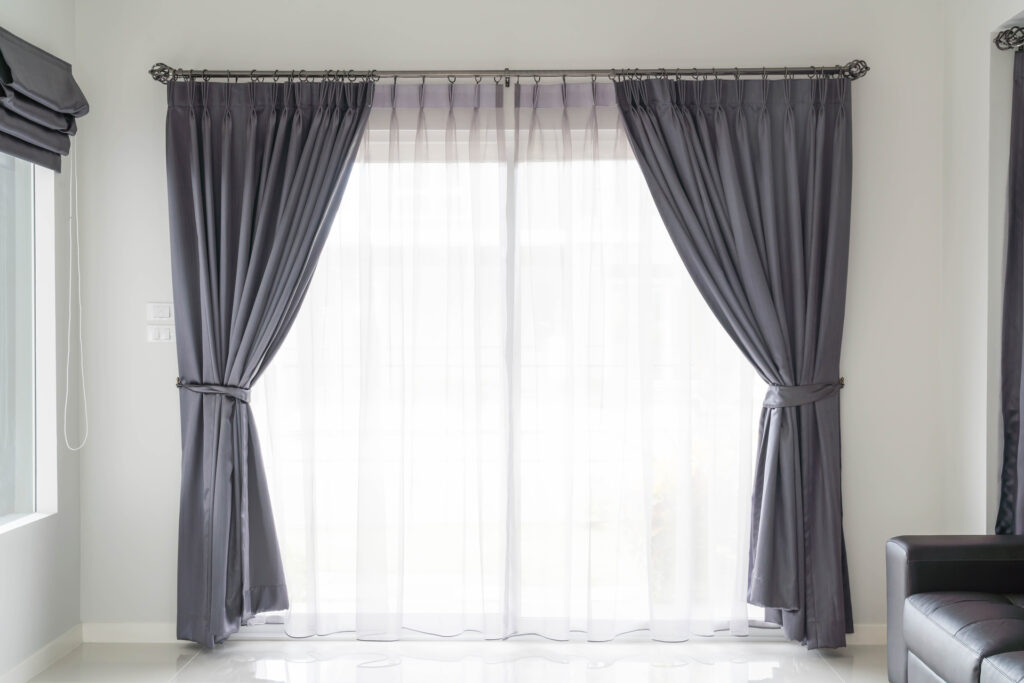
Curtains are frequently overlooked, no matter what scenario. But they hang across the primary barrier between indoor and outdoor air, absorbing particles from the indoor environment throughout the episode. Fabric curtains in particular trap fine dust in their weave and are seldom cleaned as part of a standard routine.
Machine-washable curtains should be laundered after a prolonged haze period. Fabric blinds and curtains that cannot be washed benefit from a professional clean, especially if the haze lasted several weeks, as this one did.
4. Hard Surfaces and Floors
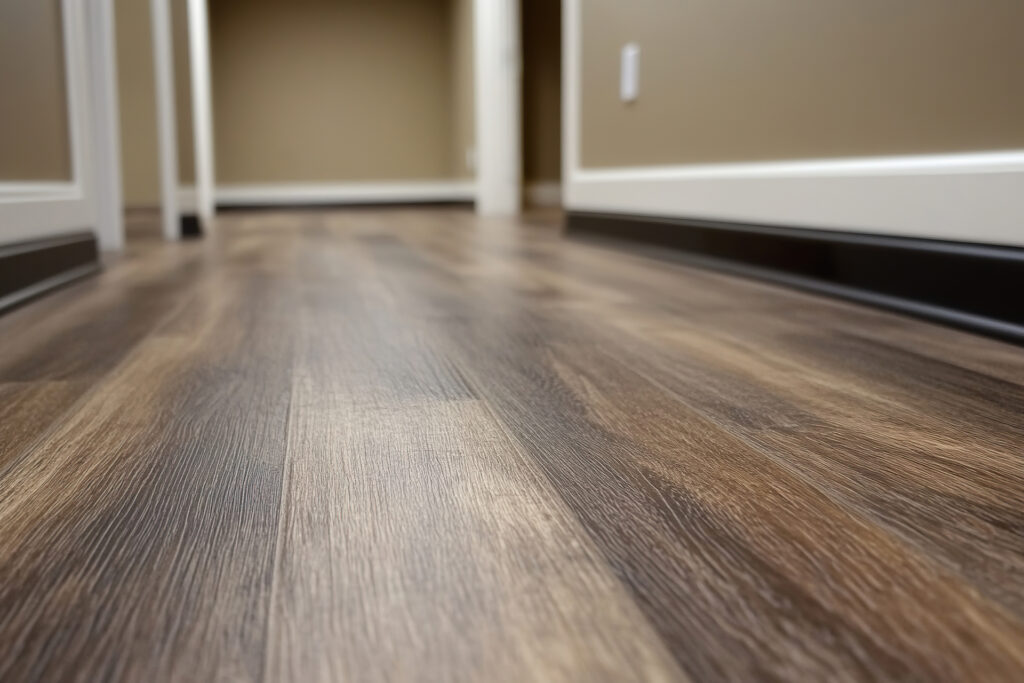
PM2.5 settles on horizontal surfaces throughout the home: shelves, tables, window ledges, skirting boards and the tops of cabinets. Because the particles are fine and light, they take longer to settle than coarse dust, which means the accumulation process continues for some time after outdoor air has cleared.
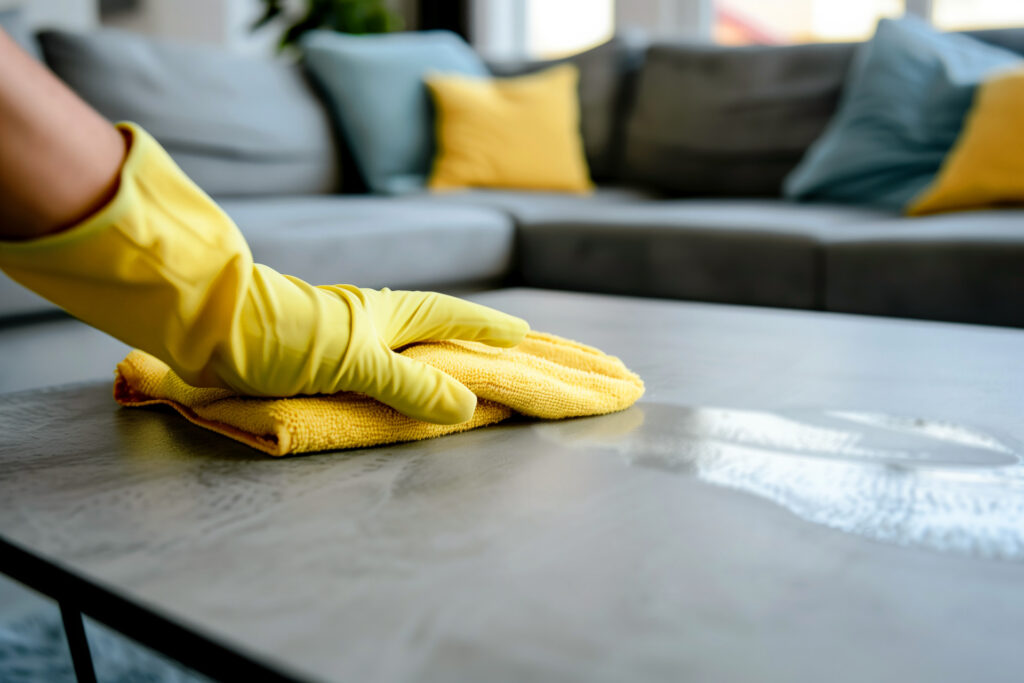
Wipe down all horizontal surfaces with a damp cloth, working from top to bottom so that anything dislodged from higher surfaces is captured instead of redistributed. Mop the floors last, and use a damp rather than dry method to avoid lifting settled particles back into the air.
5. Electronics and Appliances
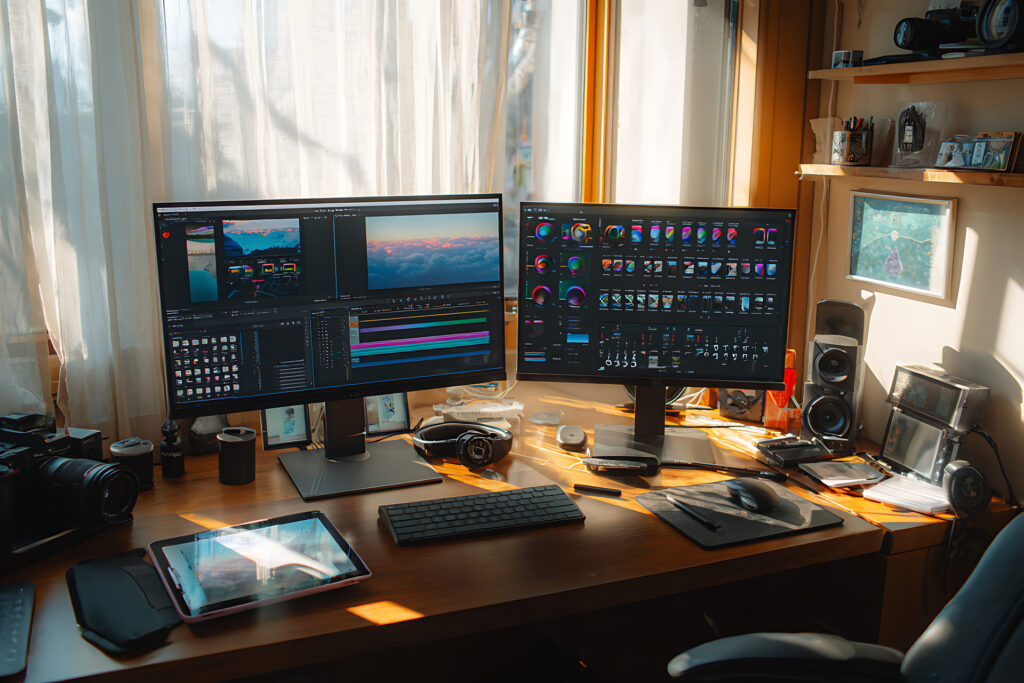
Electronics attract fine particles through static charge, and after a sustained indoor air quality event, the accumulation on and around devices such as televisions, monitors and speakers can be significant. Dust that collects in ventilation slots on appliances reduces heat dissipation and can affect performance over time.
Wipe down external surfaces with a soft, dry cloth or an electronics-safe cleaning cloth. For ventilation grilles on televisions and other devices, a soft brush attachment on a vacuum is more effective than a cloth at drawing particles out rather than pushing them further in.
Post-Haze Cleaning Tips
A few additional steps that make the post-haze clean more effective:
- Ventilate first. Before cleaning, open windows and run fans for at least 30 minutes to allow fresh air to dilute and flush out the elevated indoor particle concentration. Check that outdoor PSI has returned to a healthy range.
- Work top to bottom, always. Fine particles disturbed from upper surfaces will resettle lower. Clean ceiling fans, light fittings and shelves before countertops and floors.
- Wash bedding and pillowcases immediately. These absorb particles from the air throughout the night and should be laundered before the next use.
- Check and replace your air purifier filter. If you ran a portable air purifier during the haze, the filter will have taken on a significantly higher load than usual and may need replacing sooner than its standard schedule.
- Do not neglect the entryway. Shoes, bags and outerwear carried in from outdoors during the haze episode will also have deposited particles near the entrance.
A Few Weeks of Haze, A Day of Cleaning
The 2026 haze season has been one of the most prolonged Singapore has experienced. After weeks of keeping windows shut and running the aircon continuously, a one-off thorough clean is less a chore than a sensible reset. The surfaces that need the most attention are not always the ones that look it, which is quite useful to know before you start.
A post-haze clean covers more ground than a standard maintenance session, and some of it, filters, soft furnishings, curtains, embedded particulate in fabric fibres, is best addressed with professional equipment. Dustaway’s range of services covers everything from general and spring cleaning to deep cleaning, upholstery and mattress cleaning for households that want a more thorough reset after a prolonged air quality event. Get in touch to find out which service suits your home, or make a booking directly via WhatsApp.
 Professionalism